
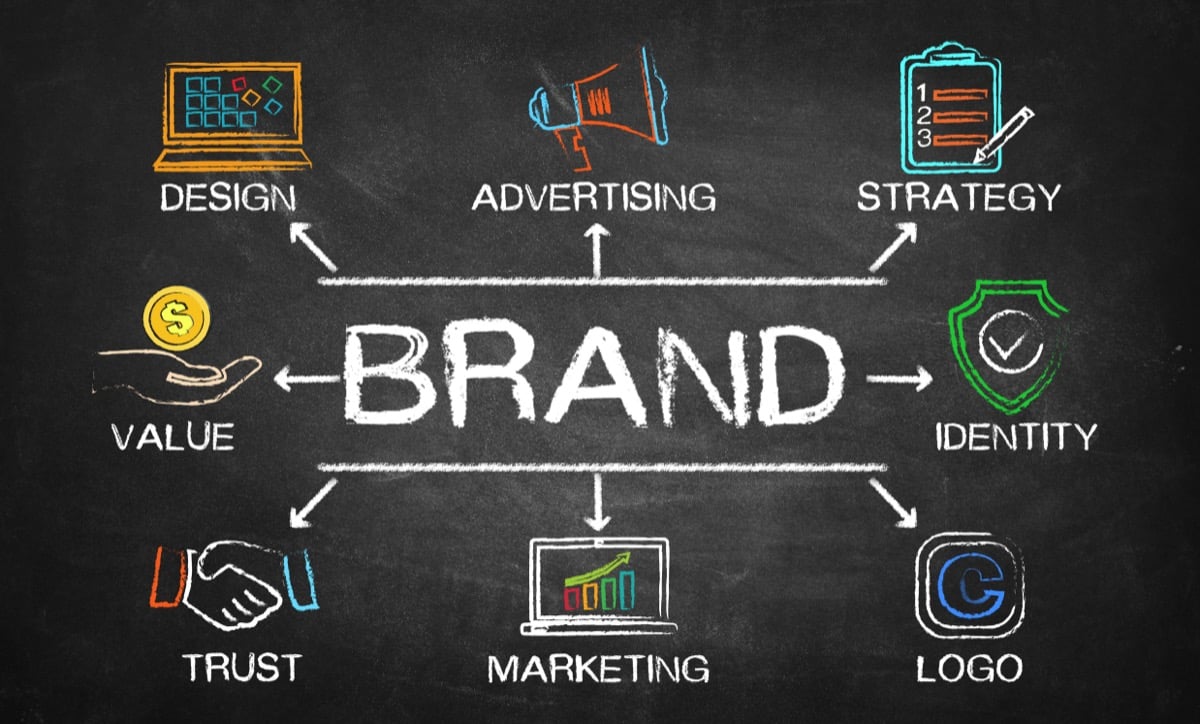
For product based businesses, your brand is often the first point of connection with your audience. It is what customers recognize, trust, and remember long after a purchase is made. Your name, logo, slogan, and overall identity carry real monetary value, and when that value is not protected, it becomes vulnerable to misuse, dilution, and exploitation. While patents protect the appearance, function, and innovation behind a product, trademarks protect what the world sees and associates with your company. Together, they form the foundation of long term brand security, market positioning, and competitive strength.
At Fargo Patent & Business Law, we help businesses establish and defend their brand presence through strategic trademark planning and ongoing trademark monitoring. This is not just about filing paperwork or reacting to problems when they arise. It is about creating a proactive system that preserves brand integrity, prevents unauthorized use, and strengthens your position in increasingly crowded markets.
Why Trademarks Matter More Than Ever
In today’s digital landscape, brand exposure happens at unprecedented speed. Social platforms, ecommerce storefronts, and online advertising allow businesses to reach massive audiences in a short period of time. That same visibility also increases risk. When your brand gains traction, it becomes more attractive to competitors attempting to replicate your success or trade on your reputation.
A trademark is a legal tool that protects your brand identity. It gives you the exclusive right to use specific words, logos, symbols, or phrases in connection with your goods or services. It allows you to take action when another party uses branding that is confusingly similar or intentionally misleading.
Without strong trademark protection, your business may struggle to stop copycats from mimicking your identity. This can lead to lost revenue, diluted brand recognition, decreased customer confidence, and long term erosion of the trust you worked hard to build.
Patents and Trademarks Working Together
While this blog focuses on trademarks and trademark monitoring, it is important to recognize the strategic relationship between patents and trademarks. Patents typically protect how your product works. Trademarks protect how your product is recognized and remembered. One safeguards function, the other safeguards perception.
When your invention is protected through patents and your brand identity is secured through trademarks, you operate from a position of strength. You control the innovation behind your product and the identity that signals quality and trust to your customers. This layered protection not only reduces legal risk but also strengthens your overall business valuation and market presence.
What Can Be Trademarked
Trademarks extend far beyond logos. Many elements of your business may qualify for protection if they distinguish your goods or services from competitors. These include:
- Business names and brand names
- Product names and sub brands
- Taglines and slogans
- Logos and visual symbols
- Packaging elements and design features
- Unique stylized text or formatting
- Distinctive colors or graphic arrangements in certain cases
The primary factor is distinctiveness. A strong trademark is unique and clearly identifies the source of the product or service. Generic or overly descriptive terms are difficult to protect and leave businesses exposed to imitation.
Strategic brand development considers trademark strength early in the naming and design process. This proactive approach prevents costly rebranding and supports long term brand sustainability.
The Hidden Risk of Not Registering a Trademark
Many business owners mistakenly believe that simply using a name or logo provides sufficient protection. While limited rights may arise through use, these rights are often difficult to enforce and offer weak defense against infringement.
Without formal registration, another party may register a similar or identical mark and gain superior legal rights. This can lead to forced rebranding, loss of customer recognition, legal disputes, and significant financial setback.
Trademark registration creates clarity. It strengthens your legal authority, improves enforceability, and provides documented evidence of ownership that supports swift action when misuse occurs.
Trademark Monitoring: The Most Overlooked Yet Essential Step
Securing a trademark is only the beginning. Once registered, your trademark must be actively protected. Trademark monitoring involves reviewing new applications, business registrations, domain usage, and marketplace activity for potential conflicts.
Without monitoring, infringement may go unnoticed until consumer confusion is widespread or brand value has already been compromised. Monitoring creates an early warning system that allows you to respond quickly and decisively.
Effective monitoring supports timely opposition filings, structured cease and desist actions, and proactive enforcement that maintains your brand clarity and strength.
How Trademark Monitoring Preserves Brand Value
Your trademark is a business asset. It contributes directly to brand equity, recognition, and market reputation. When that asset is diminished, the impact reaches far beyond appearance. It affects revenue, loyalty, and long term positioning.
By actively monitoring your trademarks, you protect brand uniqueness and maintain the trust customers associate with your name. You ensure that your identity continues to signal consistent quality and reliability.
Brands that prioritize monitoring demonstrate professional stewardship and proactive brand management, both of which strengthen authority and credibility.
Common Trademark Threats Businesses Encounter
Trademark infringement often begins subtly. Slight variations in spelling, similar logos, or nearly identical slogans can still cause confusion. These minor overlaps can create major consequences when customers misidentify brand origin.
Online platforms make it easier for infringing brands to appear rapidly. Without consistent oversight, these threats can spread across multiple channels before action is taken.
Monitoring prevents escalation and protects your business from prolonged brand dilution.
Strategic Enforcement and Legal Response
Not every trademark conflict requires immediate litigation. Many disputes can be resolved through structured legal communication, negotiated settlements, or formal objections.
A thoughtful enforcement strategy protects your brand while avoiding unnecessary expense. Fargo Patent & Business Law designs strategies that align with your business goals and maintain brand integrity without escalating conflict unnecessarily.
Documented monitoring and registered trademarks strengthen your legal position and increase the effectiveness of enforcement actions.
Trademark Monitoring as a Growth Strategy
Trademark monitoring is not merely defensive. It is strategic. As your brand expands, monitoring ensures that your identity remains distinct as you enter new markets and product categories.
This process safeguards marketing efforts, advertising investments, and brand consistency. It prevents confusion and strengthens recognition across customer touchpoints.
By integrating monitoring into growth planning, businesses protect their trajectory and sustain competitive advantage.
Fractional In-House Legal Counsel and Ongoing Brand Protection
Many businesses lack the internal resources needed for continuous trademark oversight. Fractional in-house legal counsel provides ongoing support without the expense of full time staffing.
This model delivers consistent monitoring, strategic guidance, and enforcement support while adapting to your changing business needs. It integrates brand protection into daily operations and decision making.
Fractional in-house counsel ensures continuity, clarity, and proactive risk management, creating long term stability for your brand identity.
Building Strong Brand Governance
Strong trademark strategy requires coordination across departments. Marketing, design, product development, and leadership must align on consistent brand usage guidelines.
Trademark governance provides structure, clarity, and accountability. It creates systems that protect visual identity and messaging consistency while reinforcing legal standards.
This structured approach strengthens brand integrity and ensures sustainable growth.
Trademark Protection in a Shifting Digital Environment
As digital marketplaces evolve, trademark threats expand. Global commerce introduces additional challenges such as cross border infringement and platform specific enforcement rules.
Monitoring must adapt as technology changes. Proactive strategy allows businesses to respond effectively to modern complexities and ensure persistent protection.
The Long Term Value of Trademark Strategy
Businesses that implement proactive trademark protection experience lower risk, stronger customer loyalty, and higher brand valuation. They maintain authority over their identity and prevent unauthorized use from undermining reputation.
Trademark strategy supports credibility, trust, and competitive positioning. It strengthens your ability to scale while maintaining clarity and distinction in the marketplace.
Preparing Your Brand for the Future
Trademark protection is an ongoing responsibility. It requires vigilance, consistency, and strategic planning to remain effective. When executed correctly, it supports lasting brand strength and market leadership.
Fargo Patent & Business Law provides structured trademark protection and monitoring strategies that safeguard your brand identity and uphold your business objectives. Through proactive planning, continuous monitoring, and strategic legal support, your brand remains secure, recognizable, and poised for sustainable growth.
In an increasingly competitive digital marketplace, trademarks are not merely legal tools. They are essential business assets that preserve identity, reinforce trust, and support long term success. By prioritizing trademark protection and monitoring today, you safeguard your brand’s future and position your business to thrive with clarity, authority, and confidence well into the years ahead.